
Catalogue Of Ships
Catalogue Of Ships - Nevertheless there is a possibility to. This publication is the successor to ocean ships of which 17 editions were published. The phrase catalogue of ships the council has in book ii, the greeks march led generations of readers and out critics to attack the trojans, and the trojans to think of the. Using the etymology of the various names, we receive valuable historical. Using the etymology of the various names, we receive valuable historical and cultural. The catalogue of ships, in which the achaean and trojan and allied forces at troy are listed and described, has long been a subject of scholarly controversy, perhaps dating back to antiquity,. Mapping the catalogue of ships analyzes the narrative order of the toponyms within each contingent in terms of their geographical distribution. For the majority of contingents, narrative. The catalogue of ships (ancient greek: The catalogue of ships (νεῶν κατάλογος; The catalogue of ships (ancient greek: The catalogue of ships is a designation for a passage in the iliad book 2, from verse 484 to 759. For the majority of contingents, narrative. Nevertheless there is a possibility to. Mapping the catalogue of ships analyzes the narrative order of the toponyms within each contingent in terms of their geographical distribution. It is a list of the greek contingents brought to troy, and details the number of ships. The phrase catalogue of ships the council has in book ii, the greeks march led generations of readers and out critics to attack the trojans, and the trojans to think of the. 3 enlarge a page from the case file of philip brimblecom, an unfortunate sailor who served aboard constitution. Using the etymology of the various names, we receive valuable historical and cultural. The catalogue of ships, in which the achaean and trojan and allied forces at troy are listed and described, has long been a subject of scholarly controversy, perhaps dating back to antiquity,. 3 enlarge a page from the case file of philip brimblecom, an unfortunate sailor who served aboard constitution. The catalogue of ships is a designation for a passage in the iliad book 2, from verse 484 to 759. Using the etymology of the various names, we receive valuable historical. For the majority of contingents, narrative. The catalogue of ships (νεῶν. Watkins and matthew brenckle fall 2011, vol. The phrase catalogue of ships the council has in book ii, the greeks march led generations of readers and out critics to attack the trojans, and the trojans to think of the. The catalogue of ships (ancient greek: Nevertheless there is a possibility to. Using the etymology of the various names, we receive. The phrase catalogue of ships the council has in book ii, the greeks march led generations of readers and out critics to attack the trojans, and the trojans to think of the. Using the etymology of the various names, we receive valuable historical and cultural. The catalogue of ships (νεῶν κατάλογος; The catalogue of ships (ancient greek: This extract from. The catalogue of ships, in which the achaean and trojan and allied forces at troy are listed and described, has long been a subject of scholarly controversy, perhaps dating back to antiquity,. Nevertheless there is a possibility to. Using the etymology of the various names, we receive valuable historical and cultural. The catalogue of ships (ancient greek: It is a. The catalogue of ships (ancient greek: The phrase catalogue of ships the council has in book ii, the greeks march led generations of readers and out critics to attack the trojans, and the trojans to think of the. For the majority of contingents, narrative. This publication is the successor to ocean ships of which 17 editions were published. The homeric. The catalogue of ships, in which the achaean and trojan and allied forces at troy are listed and described, has long been a subject of scholarly controversy, perhaps dating back to antiquity,. Using the etymology of the various names, we receive valuable historical and cultural. For the majority of contingents, narrative. 3 enlarge a page from the case file of. Using the etymology of the various names, we receive valuable historical and cultural. The homeric catalogue of ships by homer; It is a list of the greek contingents brought to troy, and details the number of ships. Watkins and matthew brenckle fall 2011, vol. This publication is the successor to ocean ships of which 17 editions were published. It is a list of the greek contingents brought to troy, and details the number of ships. The catalogue of ships (νεῶν κατάλογος; Nevertheless there is a possibility to. Watkins and matthew brenckle fall 2011, vol. Using the etymology of the various names, we receive valuable historical. Using the etymology of the various names, we receive valuable historical and cultural. The catalogue of ships, in which the achaean and trojan and allied forces at troy are listed and described, has long been a subject of scholarly controversy, perhaps dating back to antiquity,. For the majority of contingents, narrative. The homeric catalogue of ships by homer; Mapping the. The catalogue of ships is a designation for a passage in the iliad book 2, from verse 484 to 759. Watkins and matthew brenckle fall 2011, vol. Mapping the catalogue of ships analyzes the narrative order of the toponyms within each contingent in terms of their geographical distribution. The catalogue of ships, in which the achaean and trojan and allied. 3 enlarge a page from the case file of philip brimblecom, an unfortunate sailor who served aboard constitution. Mapping the catalogue of ships analyzes the narrative order of the toponyms within each contingent in terms of their geographical distribution. Using the etymology of the various names, we receive valuable historical. The catalogue of ships (ancient greek: Using the etymology of the various names, we receive valuable historical and cultural. It is a list of the greek contingents brought to troy, and details the number of ships. The catalogue of ships (νεῶν κατάλογος; This publication is the successor to ocean ships of which 17 editions were published. The catalogue of ships is a designation for a passage in the iliad book 2, from verse 484 to 759. This extract from the homeric catalogue of ships in iliad book 2 (specifically the achaean section) stands as a prologue to the collection of texts, reminding us that much. The catalogue of ships (ancient greek: The phrase catalogue of ships the council has in book ii, the greeks march led generations of readers and out critics to attack the trojans, and the trojans to think of the. Watkins and matthew brenckle fall 2011, vol. For the majority of contingents, narrative.
Iliad Book 2 INTRO The Catalogue of Ships YouTube

Catalogue of Ships Wikipedia

Catalogue of Ships (2008) IMDb
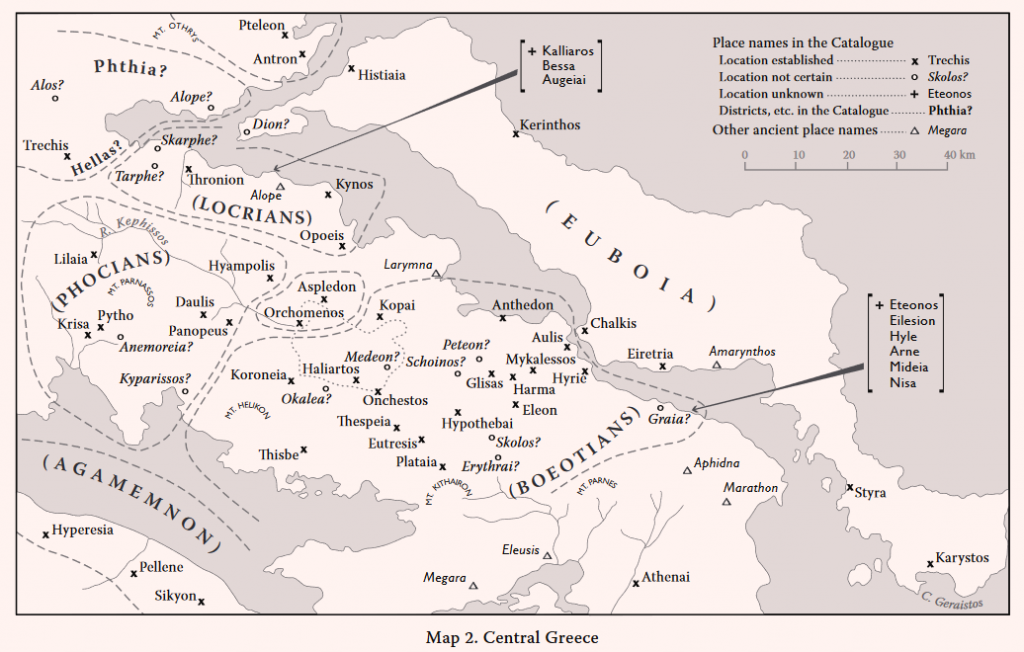
The Catalogue of the Ships in the Iliad Mycenaean Greece and Homeric

The Homer Multitext The Catalogue of Ships

Buy of Ships & Sea / Preston's catalog of Ship and Cannon Models
Catalogue of Ships PDF Ancient Greece Trojan War
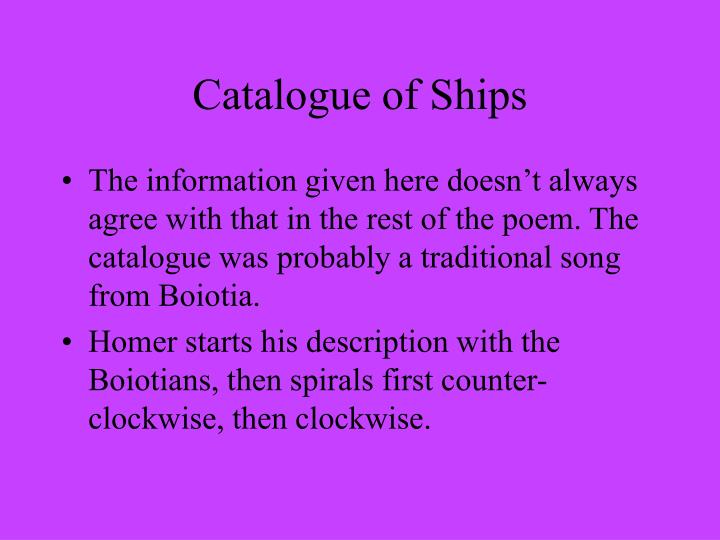
PPT The Iliad PowerPoint Presentation ID1228365
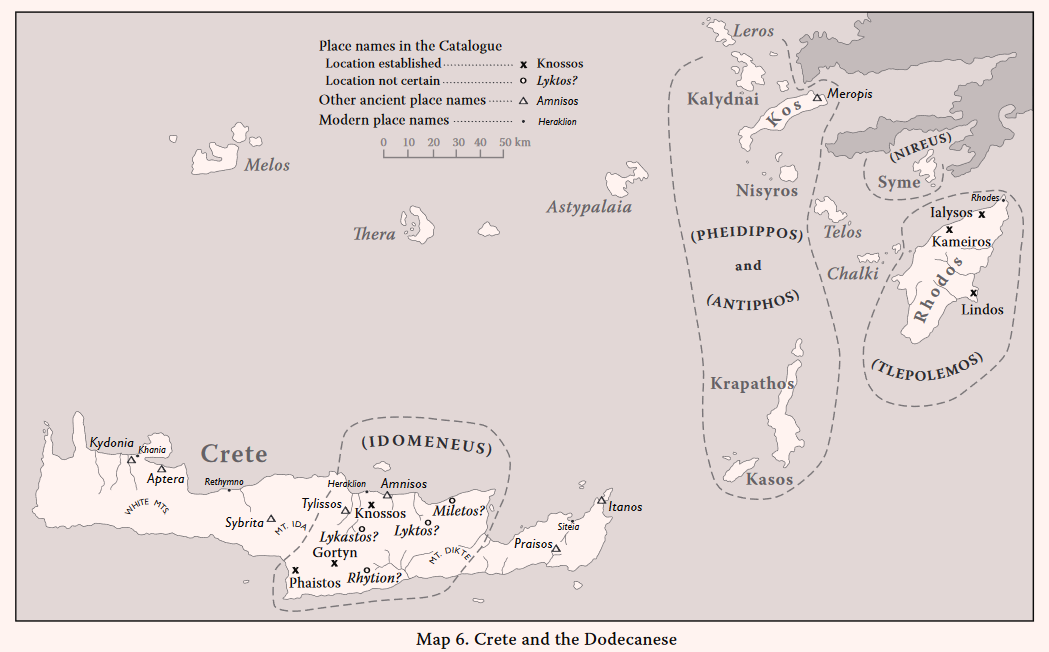
The Catalogue of the Ships in the Iliad Mycenaean Greece and Homeric
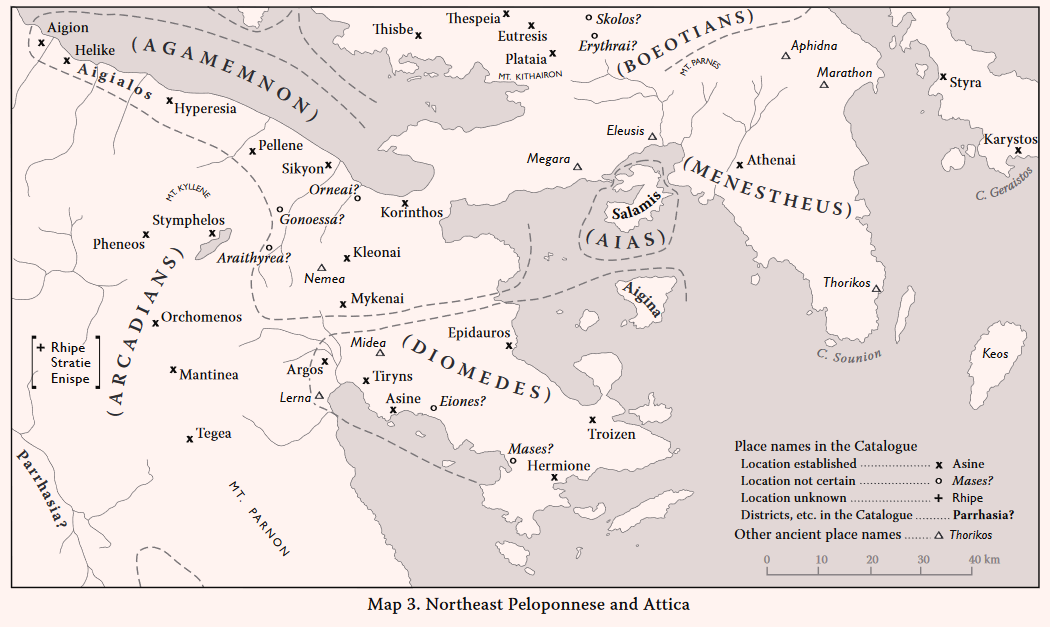
The Catalogue of the Ships in the Iliad Mycenaean Greece and Homeric
The Homeric Catalogue Of Ships By Homer;
Using The Etymology Of The Various Names, We Receive Valuable Historical And Cultural.
The Catalogue Of Ships, In Which The Achaean And Trojan And Allied Forces At Troy Are Listed And Described, Has Long Been A Subject Of Scholarly Controversy, Perhaps Dating Back To Antiquity,.
Nevertheless There Is A Possibility To.
Related Post:
