
How To Delete Lightroom Catalog
How To Delete Lightroom Catalog - Deleting a lightroom catalog can be a good idea in a couple of instances. If you don't care about the history of the edits, you can delete this from the catalog file too. The actual catalog can be found by opening lightroom classic, then go to catalog settings and click on the general tab, as shown in your first post. The first is that you have too many old catalogs that are no longer in use, while the second is that certain catalogs are taking up significant space on your computer. You can also use lightroom's find duplicates. Occasionally, you will want to delete your lightroom catalogue. Then trash the 'journal' and '.lock' files if they remained after. Most likely it is currently set to a specific catalog, but that one does not exist. Here is how to do that. So, if you want to start fresh in lightroom, you can. Occasionally, you will want to delete your lightroom catalogue. The files in your folder that. You can delete a lightroom catalog. To start, you need to access your lightroom catalog setting. Can i delete my lightroom catalog and start over? The way to do this is to move that backup catalog to the root of the folder and overwrite the old catalog with it. Then trash the 'journal' and '.lock' files if they remained after. When you select add photos from the all photos view, you can contribute photos that are already imported into your lightroom catalog. Although a lightroom catalog doesn’t directly store your photos, it does hold. Simply delete them (the.lrcat file) in the os file browser by dragging to 'trash' or 'recycle bin', as you would any other type of file (like a document, or spreadsheet, etc). Although a lightroom catalog doesn’t directly store your photos, it does hold. To delete a lightroom catalog, close it in lightroom and then delete the catalog file (.lrcat) from your computer's file system. Check in the lightroom classic preferences that the catalog to open is set to 'most recent catalog'. The files in your folder that. You can also use. My lightroom catalogs folder has a number of older versions within it. They’re just eating up space for no reason, and that’s why today, friday, is the perfect day to “delete your old lightroom backup catalogs.” look inside your lightroom folder. The first is that you have too many old catalogs that are no longer in use, while the second. If you don't care about the history of the edits, you can delete this from the catalog file too. Yes, but move them first to another folder, then open your most recent catalog and make sure it works to be certain that you didn't accidentally delete a needed file. You can also use lightroom's find duplicates. To delete a lightroom. Can i delete my lightroom catalog and start over? You can delete a lightroom catalog. Most likely it is currently set to a specific catalog, but that one does not exist. Although a lightroom catalog doesn’t directly store your photos, it does hold. You can also use lightroom's find duplicates. Although a lightroom catalog doesn’t directly store your photos, it does hold. Simply delete them (the.lrcat file) in the os file browser by dragging to 'trash' or 'recycle bin', as you would any other type of file (like a document, or spreadsheet, etc). My lightroom catalogs folder has a number of older versions within it. The way to do this. When you select add photos from the all photos view, you can contribute photos that are already imported into your lightroom catalog. They’re just eating up space for no reason, and that’s why today, friday, is the perfect day to “delete your old lightroom backup catalogs.” look inside your lightroom folder. If you don't care about the history of the. Simply delete them (the.lrcat file) in the os file browser by dragging to 'trash' or 'recycle bin', as you would any other type of file (like a document, or spreadsheet, etc). If you don't care about the history of the edits, you can delete this from the catalog file too. You can delete a lightroom catalog. Although a lightroom catalog. Yes, but move them first to another folder, then open your most recent catalog and make sure it works to be certain that you didn't accidentally delete a needed file. Although a lightroom catalog doesn’t directly store your photos, it does hold. If you don't care about the history of the edits, you can delete this from the catalog file. Yes, but move them first to another folder, then open your most recent catalog and make sure it works to be certain that you didn't accidentally delete a needed file. Simply delete them (the.lrcat file) in the os file browser by dragging to 'trash' or 'recycle bin', as you would any other type of file (like a document, or spreadsheet,. The actual catalog can be found by opening lightroom classic, then go to catalog settings and click on the general tab, as shown in your first post. To start, you need to access your lightroom catalog setting. My lightroom catalogs folder has a number of older versions within it. So, if you want to start fresh in lightroom, you can.. To start, you need to access your lightroom catalog setting. Then trash the 'journal' and '.lock' files if they remained after. The actual catalog can be found by opening lightroom classic, then go to catalog settings and click on the general tab, as shown in your first post. Deleting a lightroom catalog can be a good idea in a couple of instances. The first is that you have too many old catalogs that are no longer in use, while the second is that certain catalogs are taking up significant space on your computer. So, if you want to start fresh in lightroom, you can. My lightroom catalogs folder has a number of older versions within it. Although a lightroom catalog doesn’t directly store your photos, it does hold. Can i delete my lightroom catalog and start over? The files in your folder that. But, it does not include your original images. The way to do this is to move that backup catalog to the root of the folder and overwrite the old catalog with it. Most likely it is currently set to a specific catalog, but that one does not exist. When you select add photos from the all photos view, you can contribute photos that are already imported into your lightroom catalog. They’re just eating up space for no reason, and that’s why today, friday, is the perfect day to “delete your old lightroom backup catalogs.” look inside your lightroom folder. Yes, but move them first to another folder, then open your most recent catalog and make sure it works to be certain that you didn't accidentally delete a needed file.
How to Delete Your Outdated Lightroom Classic Catalog Backups YouTube
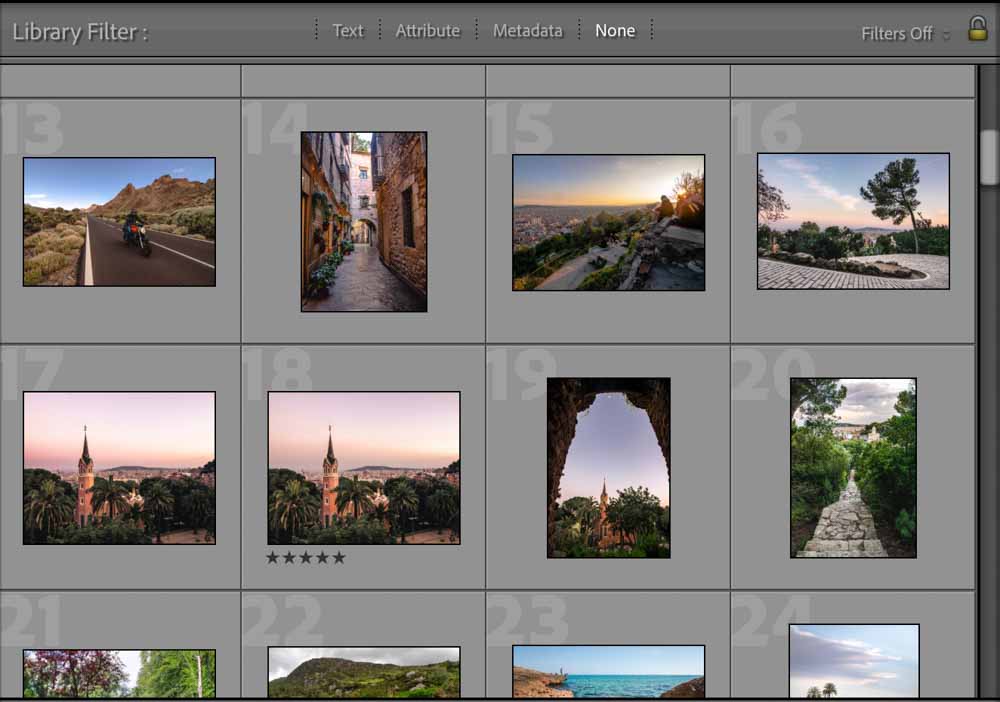
How To Quickly Delete A Lightroom Catalog Brendan Williams Creative
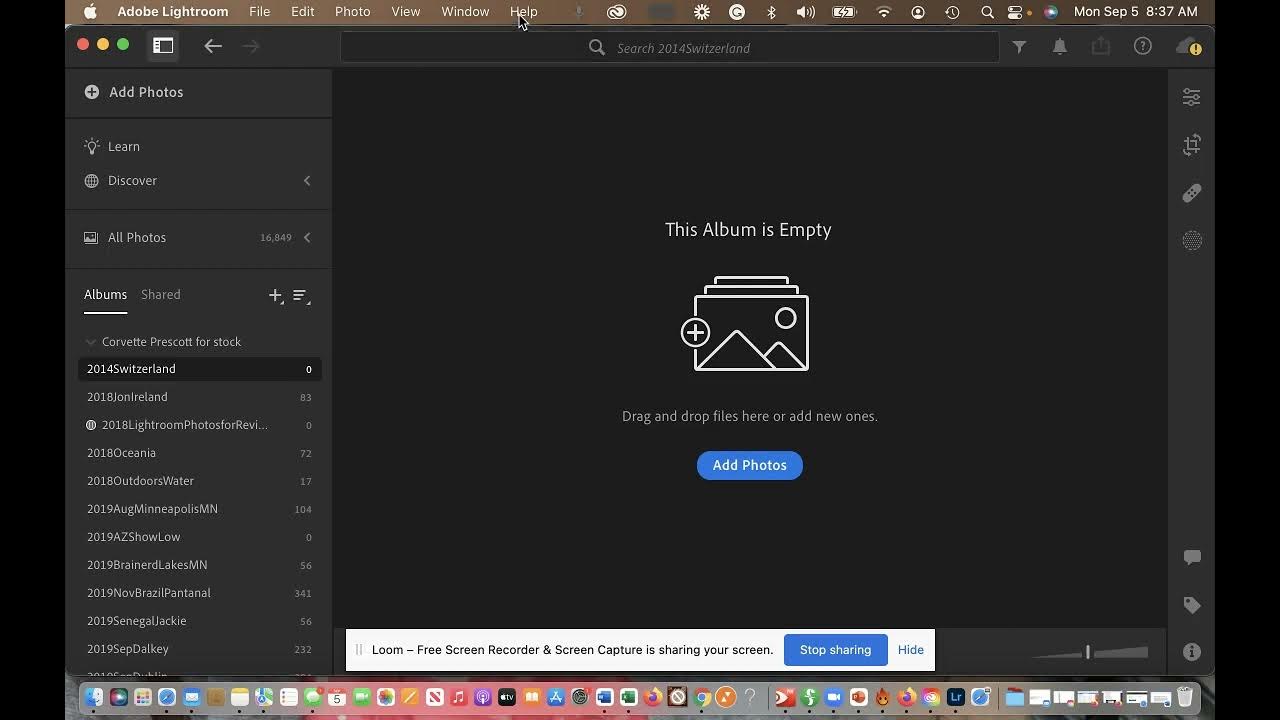
How to Remove Catalogs From Your Lightroom Classic Library on a Mac

How To Quickly Delete A Lightroom Catalog Brendan Williams Creative
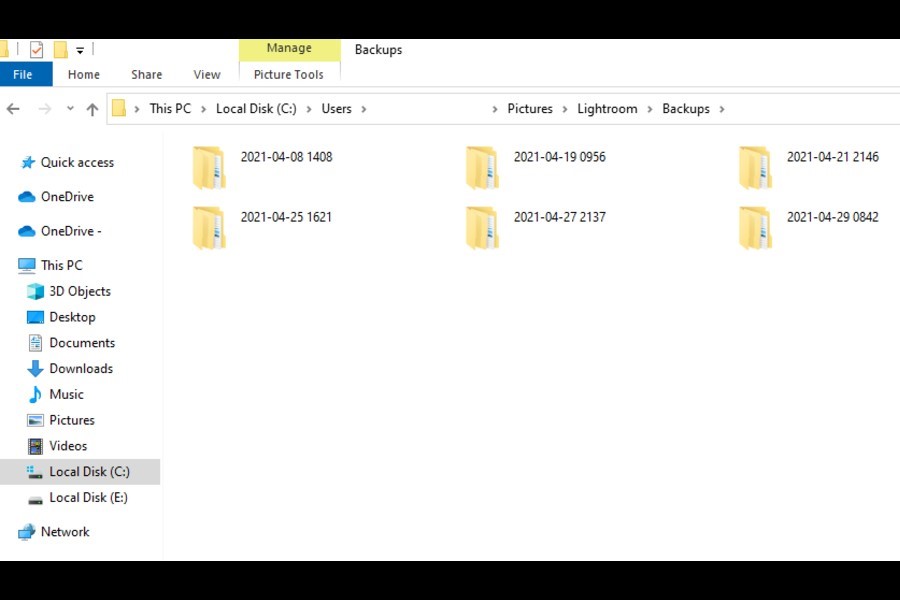
How to Delete a Lightroom Catalog and Start Over PFRE
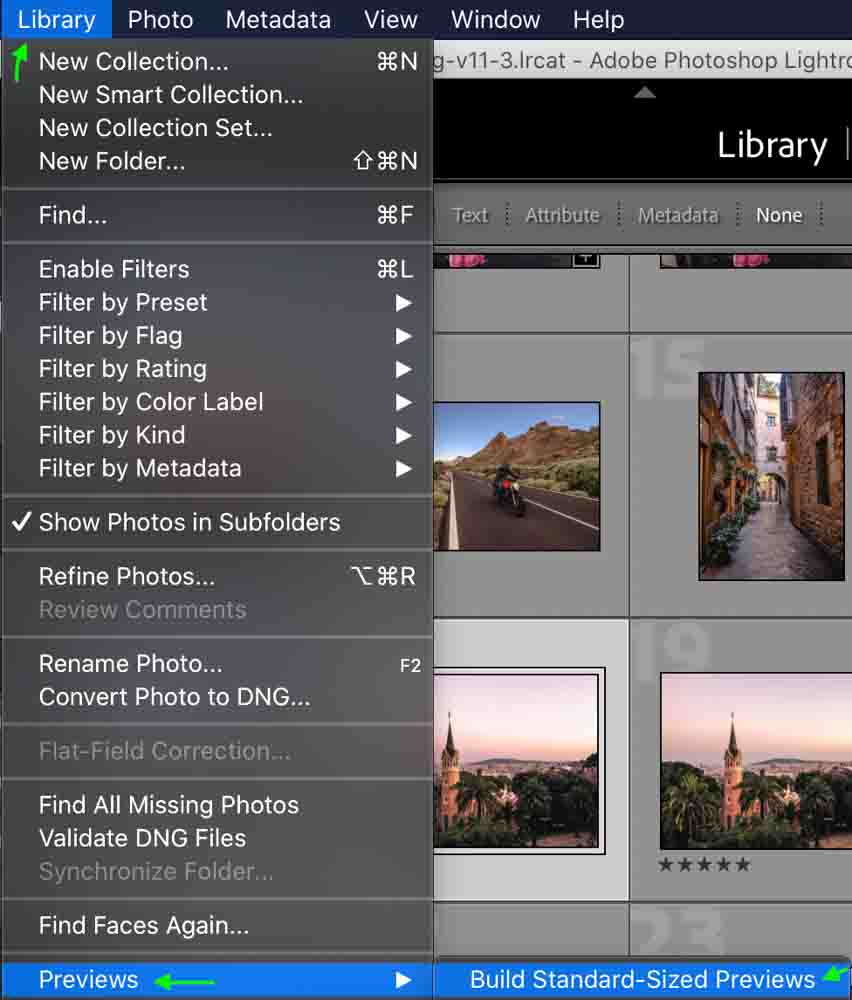
How To Quickly Delete A Lightroom Catalog Brendan Williams Creative
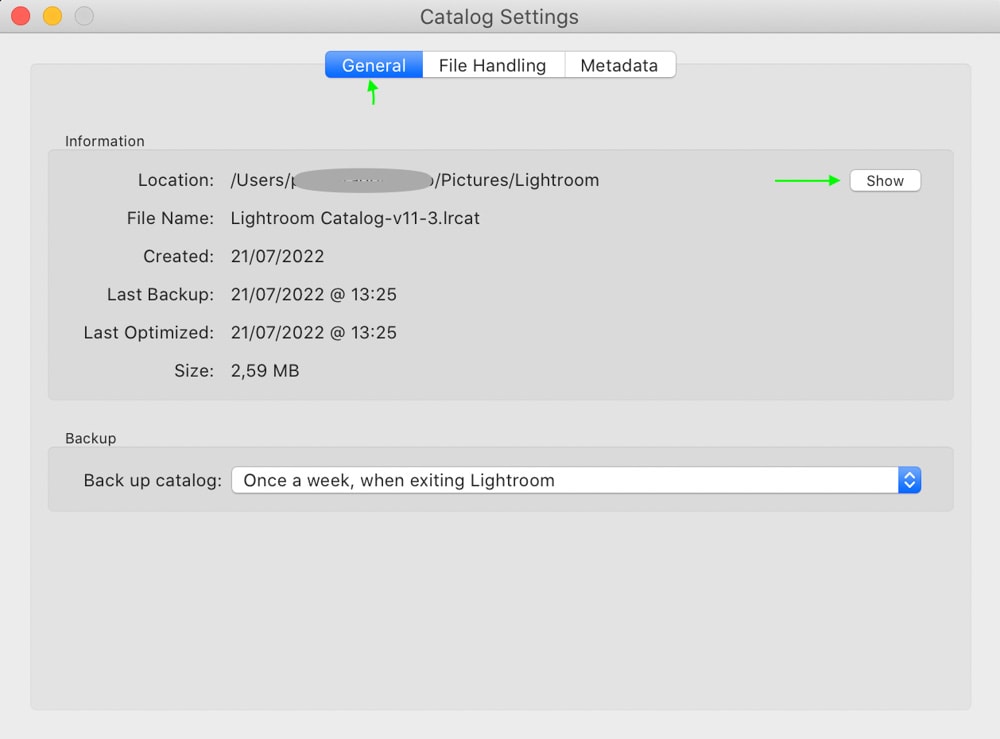
How To Quickly Delete A Lightroom Catalog Brendan Williams Creative

How to Easily Delete a Lightroom Catalog
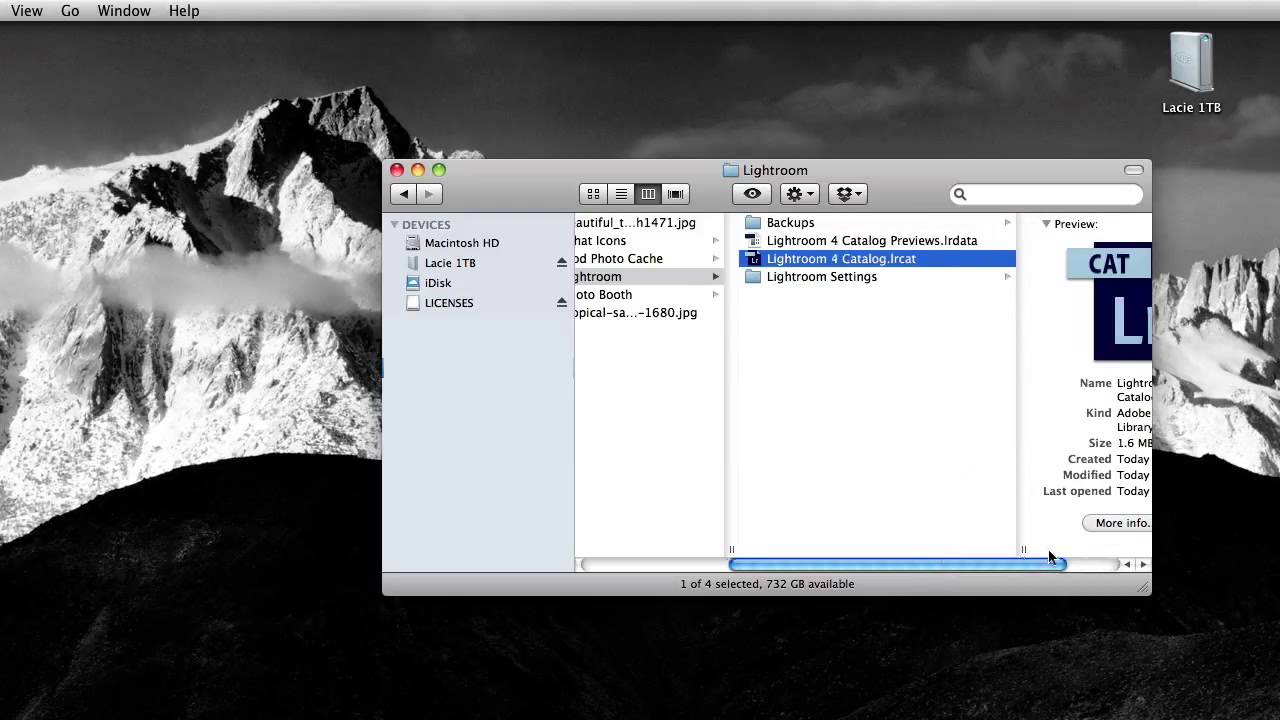
How to Delete Lightroom Catalog YouTube

How To Delete Multiple Photos From Lightroom Lightroom, Lightroom
You Can Delete A Lightroom Catalog.
If You Don't Care About The History Of The Edits, You Can Delete This From The Catalog File Too.
Here Is How To Do That.
Occasionally, You Will Want To Delete Your Lightroom Catalogue.
Related Post: